Hemlock Removal in Honolulu, HI
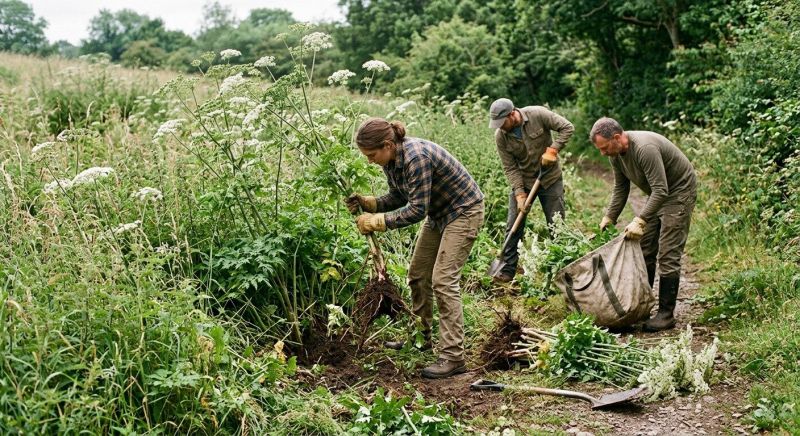
Hemlock removal services involve the careful elimination of hemlock trees from residential or commercial properties. This process is often requested when trees pose safety concerns, such as the risk of falling, or when they interfere with building plans, landscaping, or utility lines. Projects can range from removing a single problematic tree to clearing multiple hemlocks across a property. Homeowners typically want to understand the scope of removal, the impact on their landscape, and any necessary follow-up steps to ensure safety and aesthetic appeal after the trees are removed.
Before requesting hemlock removal, property owners should consider factors such as the size and location of the trees, potential impacts on surrounding structures or plantings, and any local regulations or permits that may apply. It is also helpful to determine whether the removal includes stump grinding or disposal, and to clarify if the service can accommodate specific property needs. Understanding these details can aid in planning the project effectively and ensuring the desired outcome for the landscape.
Many property owners in Honolulu, HI look into Hemlock Removal for repairs, replacements, upgrades, and appearance-related improvements.
Why Remove Hemlocks
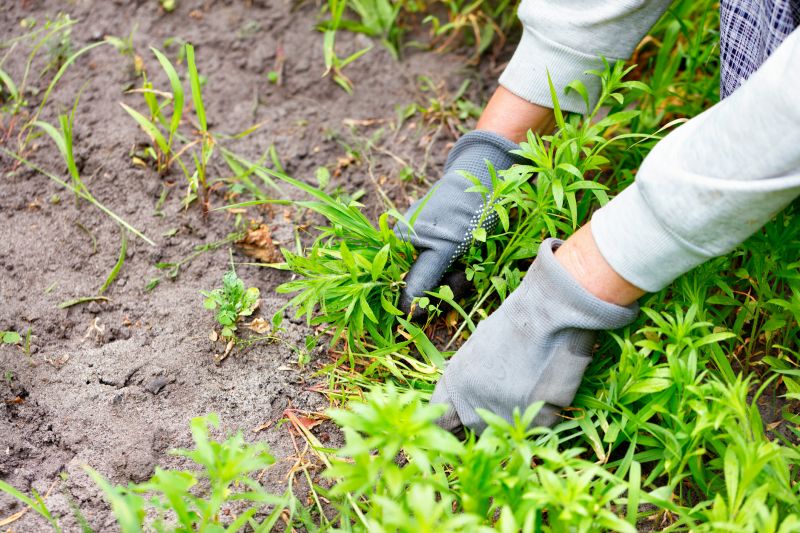
Removing hemlocks can improve the safety and appearance of your property.
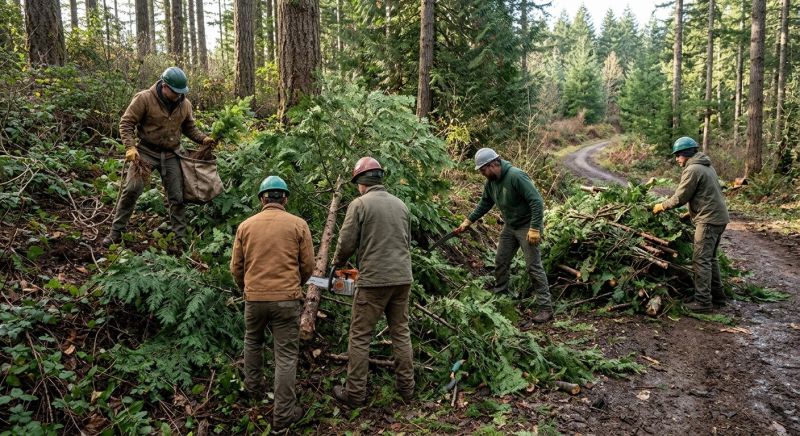
Signs You Need Hemlock Removal
Signs include disease, damage, or overgrowth that affects nearby plants or structures.
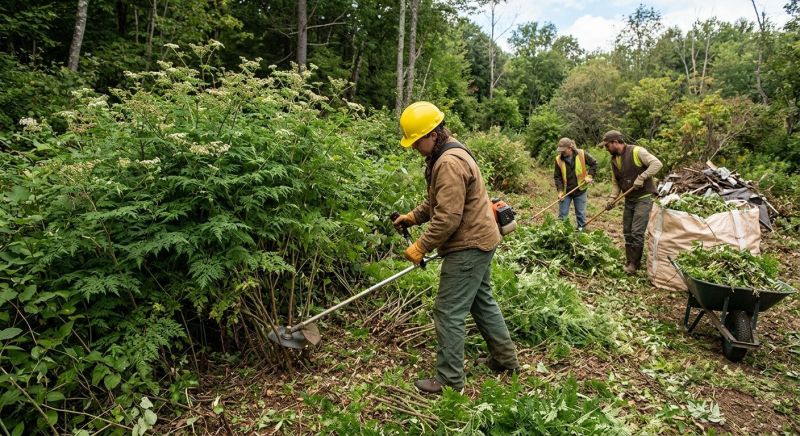
Hemlock Removal Process
The process involves safely cutting and removing the tree to prevent damage to your landscape.
Hemlock Removal in Honolulu, HI

Hemlock removal services involve the careful elimination of hemlock trees from residential or commercial properties. This process is often requested when trees pose safety concerns, such as the risk of falling, or when they interfere with building plans, landscaping, or utility lines. Projects can range from removing a single problematic tree to clearing multiple hemlocks across a property. Homeowners typically want to understand the scope of removal, the impact on their landscape, and any necessary follow-up steps to ensure safety and aesthetic appeal after the trees are removed.
Before requesting hemlock removal, property owners should consider factors such as the size and location of the trees, potential impacts on surrounding structures or plantings, and any local regulations or permits that may apply. It is also helpful to determine whether the removal includes stump grinding or disposal, and to clarify if the service can accommodate specific property needs. Understanding these details can aid in planning the project effectively and ensuring the desired outcome for the landscape.
Many property owners in Honolulu, HI look into Hemlock Removal for repairs, replacements, upgrades, and appearance-related improvements.
Common Hemlock Removal Jobs
Hemlock Removal - Safely eliminates invasive hemlock trees to protect native landscapes.
Tree Removal - Addresses hazardous or unwanted hemlock trees to improve property safety.
Stump Grinding - Removes remaining stumps after tree removal for a clean yard appearance.
Invasive Species Control - Targets hemlock trees that threaten local plant diversity.
Property Clearing - Clears hemlocks to prepare land for landscaping or development.
Landscaping Enhancement - Removes hemlocks to create space for new garden or lawn features.
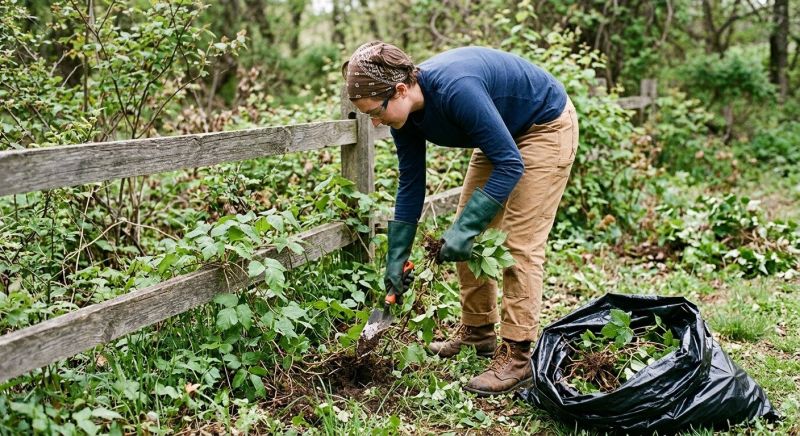
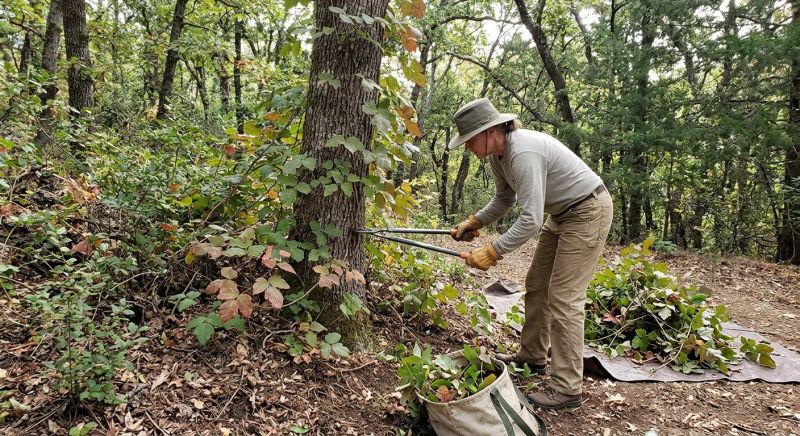
Hemlock Removal Questions
Why should Hemlock trees be removed? Hemlock trees may be removed to prevent disease spread, reduce safety hazards, or improve landscape aesthetics.
What signs indicate a Hemlock tree needs removal? Signs include extensive pest infestation, disease symptoms, or structural instability.
Is Hemlock removal suitable for any property size? Yes, Hemlock removal can be performed on both small and large properties based on the need.
What factors influence Hemlock removal decisions? The health of the tree, location, and potential risks are key considerations for removal.
Request Hemlock Removal in Honolulu, HI
Use the quote form on this page to share the basics of your project and request more information for the type of work you need.